
Acclimatization and Recovery
The ClimbThis flow tracks the planned gradual adaptation to altitude, the ways the schedule breaks down, and the consequences for individual climbers.
increasing Bearing strength in each event
 decreasing
Bearing strength in each eventdecreasingGradual Ascent Principle
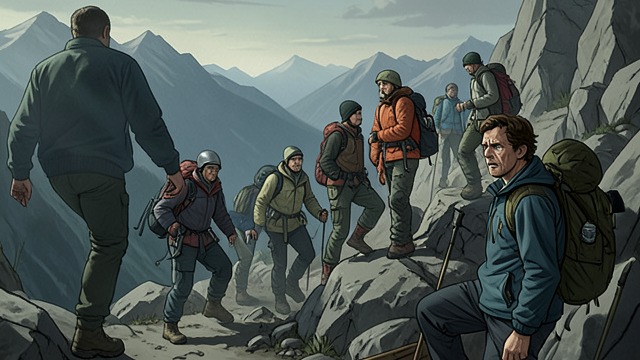
Gradual Ascent Principle
Conservative Start
The initial itinerary is designed to avoid rapid altitude gain by beginning below 3,040 meters and walking upward.
Changed Schedule
The clients are instead flown to Syangboche, and several immediately feel breathless or unwell.
A Staged Climbing Plan

A Staged Climbing Plan
Progressive Exposure
Anatoli Boukreev and Scott Fischer plan repeated excursions to higher camps, with return rests between climbs.
Purpose
The routine aims to develop adaptation while limiting nights at dangerous elevations and allowing guides to observe each client’s condition.
The Schedule Slips
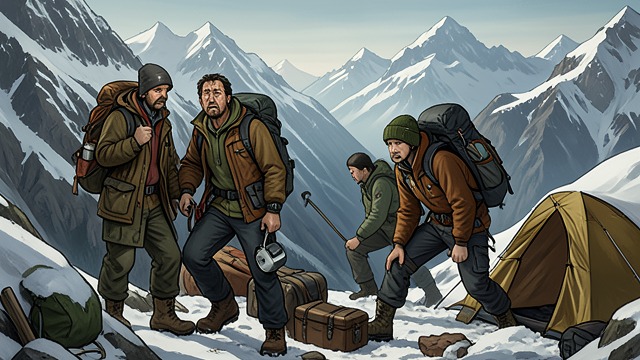
The Schedule Slips
Camp Delays
Camp III is established late, weather interrupts excursions, and clients’ acclimatization becomes uneven.
Individual Warning
Dale Kruse deteriorates at Camp III and has to be escorted down, demonstrating the cost of pushing beyond personal capacity.
Rest Versus Momentum
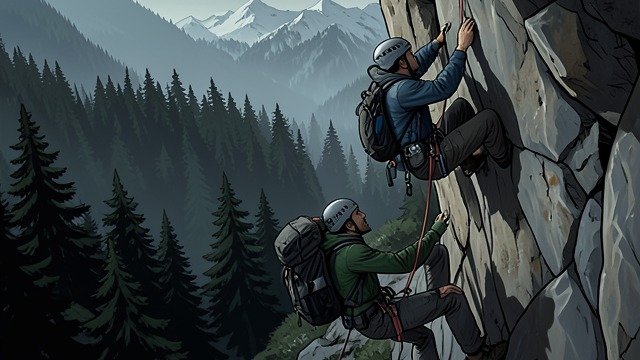
Rest Versus Momentum
Competing Approaches
Anatoli Boukreev descends to the forest zone to recover, while Scott Fischer keeps working and climbing despite exhaustion.
Uneven Readiness
Some clients also miss planned acclimatization or rest, but the expedition commits to one final attempt.
The Summit Test
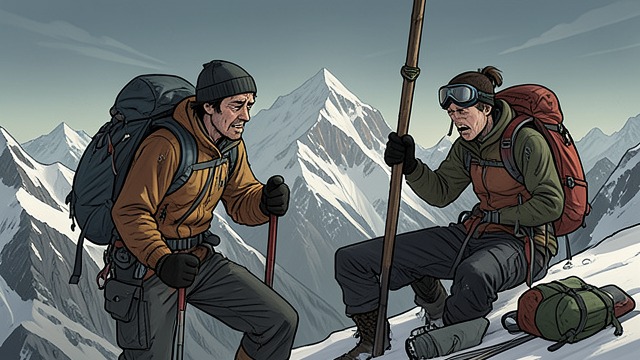
The Summit Test
High-Altitude Reality
At Camp III and Camp IV, cough, lethargy, and oxygen dependence reveal how differently climbers respond.
Consequences
The summit day exposes the limits of a shared schedule: fitness and effort cannot make every client equally prepared.
March 1996 before the trek
April 1996 at Base Camp
April 17–29, 1996
late April to May 5, 1996
May 8–10, 1996
